

loading...
The humanoid robotics market continues to expand, and large-scale commercialization is expected within the next few years. As demand grows, many manufacturers face a strategic question: should they develop the robotic arm in-house, or adopt a commercially available solution? Against this backdrop, we recommend that humanoid robot manufacturers prioritize a commercially available humanoid robotic arm over in-house development, for the following reasons.
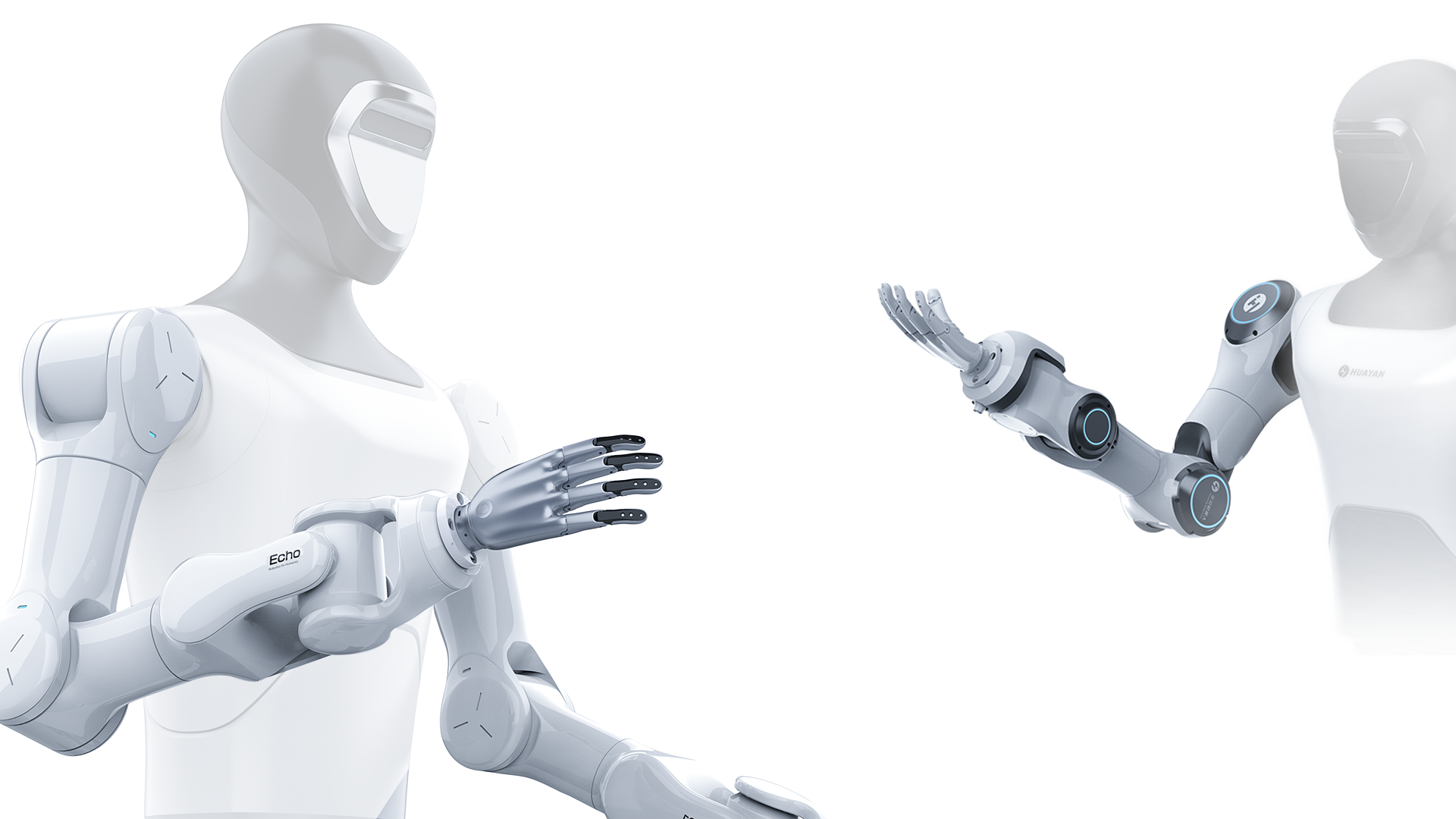
The hardware bill of materials (BOM) for humanoid robots is falling rapidly, driven largely by the large-scale procurement and production of components. Industry reports indicate that some leading humanoid robot manufacturers have reduced the BOM cost of their industrial models by a substantial margin within a single year.
This decline reflects the fact that humanoid robot hardware is becoming increasingly standardized, scalable, and commoditized. In-house robotic arm development may struggle to achieve comparable cost reductions within a short period. Long development cycles can also leave manufacturers with a solution that has already lost its cost advantage by the time it reaches production. In addition, early-stage development involves repeated prototyping, testing, and redesign, each of which adds cost and uncertainty.
Commercially available arms are therefore particularly suitable for smaller manufacturers and for companies that do not regard robotic arm hardware as a core source of differentiation. They provide access to mature technology at a predictable cost and help avoid the financial risk of an uncertain development process.
As robotic arm hardware becomes more standardized, it is less likely to serve as a sustainable competitive barrier on its own. Continued investment in an increasingly commoditized component can divert funding, talent, and time away from more important areas.
These areas include AI and control algorithms, task execution, application-specific adaptation, system integration, and user experience. In the long run, these capabilities, rather than the arm itself, determine how well a humanoid robot performs in real working environments and how clearly it stands apart from competitors.
By working with a specialized robot arm manufacturer, companies can concentrate their engineering resources on the capabilities that shape product performance and long-term competitiveness. This also allows R&D teams to iterate faster on software and application development instead of spending years on mechanical design and component validation.
Developing robotic arms in-house requires manufacturers to source and manage components from multiple suppliers, including motors, reducers, sensors, encoders, and controllers. The more suppliers involved, the greater the risk of delays, inconsistent quality, and supply disruptions.
Choosing a commercially available robotic arm simplifies procurement by consolidating multiple components into one integrated solution. This reduces supply chain complexity and makes production planning more reliable.
For manufacturers preparing to scale up, a predictable supply of key components is often just as important as unit cost. A single qualified supplier also means clearer accountability for quality, delivery schedules, and after-sales service, which reduces the coordination burden on the manufacturer’s own team.
Compared with a newly developed arm that lacks production validation and an established operating history, a mature commercial product is more likely to have been tested across multiple customers and applications. It may also offer traceable data on performance, reliability, failure rates, and maintenance requirements.
This evidence lowers the customer’s perceived risk and can shorten the process from solution assessment to project deployment. In industrial environments where safety, stability, and uptime are critical, a proven product is often more convincing than an in-house solution that still requires validation.
Procurement teams and end users typically ask for reference cases, test reports, and service commitments before approving a purchase. A commercial arm with a documented track record can also answer these questions, which helps the manufacturer build trust earlier in the sales cycle.
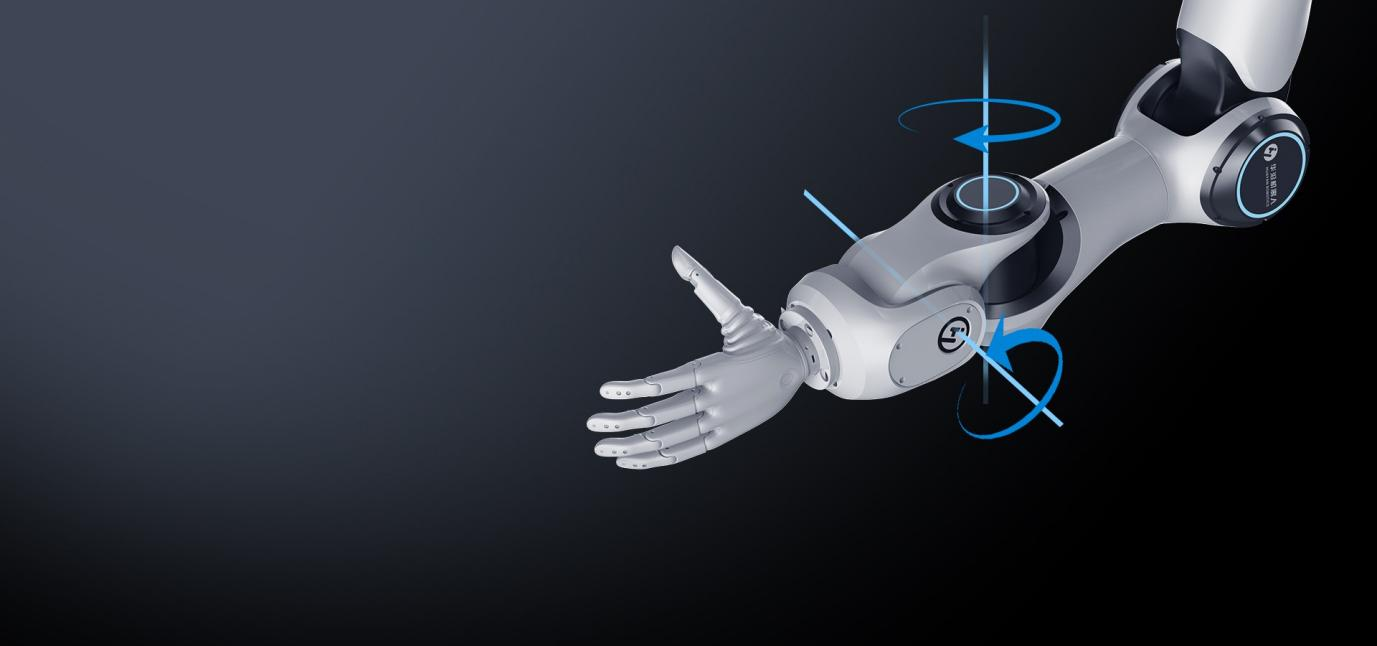
For manufacturers that decide to adopt a commercial solution, the Huayan Robotics’ humanoid robotic arm is a strong option. Its key advantages include:
These capabilities allow humanoid robot manufacturers to shorten their development cycle and bring products to market with greater certainty.
As the humanoid robotics industry moves toward commercialization, speed, cost control, and reliability will determine who stands out. For most manufacturers, robotic arm hardware is becoming a standardized component rather than a unique advantage. Choosing a commercially available humanoid robotic arm reduces development risk, frees resources for core differentiation, simplifies the supply chain, and strengthens customer confidence.
With its 7 DOF design, integrated structure, and proven performance, the Huayan Robotics’ humanoid robotic arm offers a practical path for manufacturers that want to move faster and focus on what truly sets their products apart.

